Table of Contents
One of the most common questions surrounding the UK Online Safety Act is whether VPNs can bypass ISP-level filtering or network restrictions introduced as part of compliance with the law.
The short answer is sometimes, but only in specific circumstances. VPNs do not override platform rules or legal obligations, but they can change how ISP-level filtering operates, depending on how that filtering is implemented. This article explains what ISP filtering actually looks like, how VPNs interact with it, and where their limits are, without exaggeration or false promises.
How VPNs fit into the Online Safety Act overall
What ISP Filtering Means Under the Online Safety Act
The Online Safety Act does not require ISPs to monitor individual users’ browsing activity in real time. Instead, it creates obligations for platforms to reduce access to harmful or age-inappropriate content.
However, in practice, some filtering can occur at the network level, especially when:
- ISPs offer optional content controls
- parental controls are enabled
- network-level DNS filtering is used
- certain domains or services are blocked regionally
These controls are typically implemented using technical filtering mechanisms, not user-level monitoring.
Common Types of ISP-Level Filtering
Understanding how filtering works is essential to understanding whether a VPN can affect it.
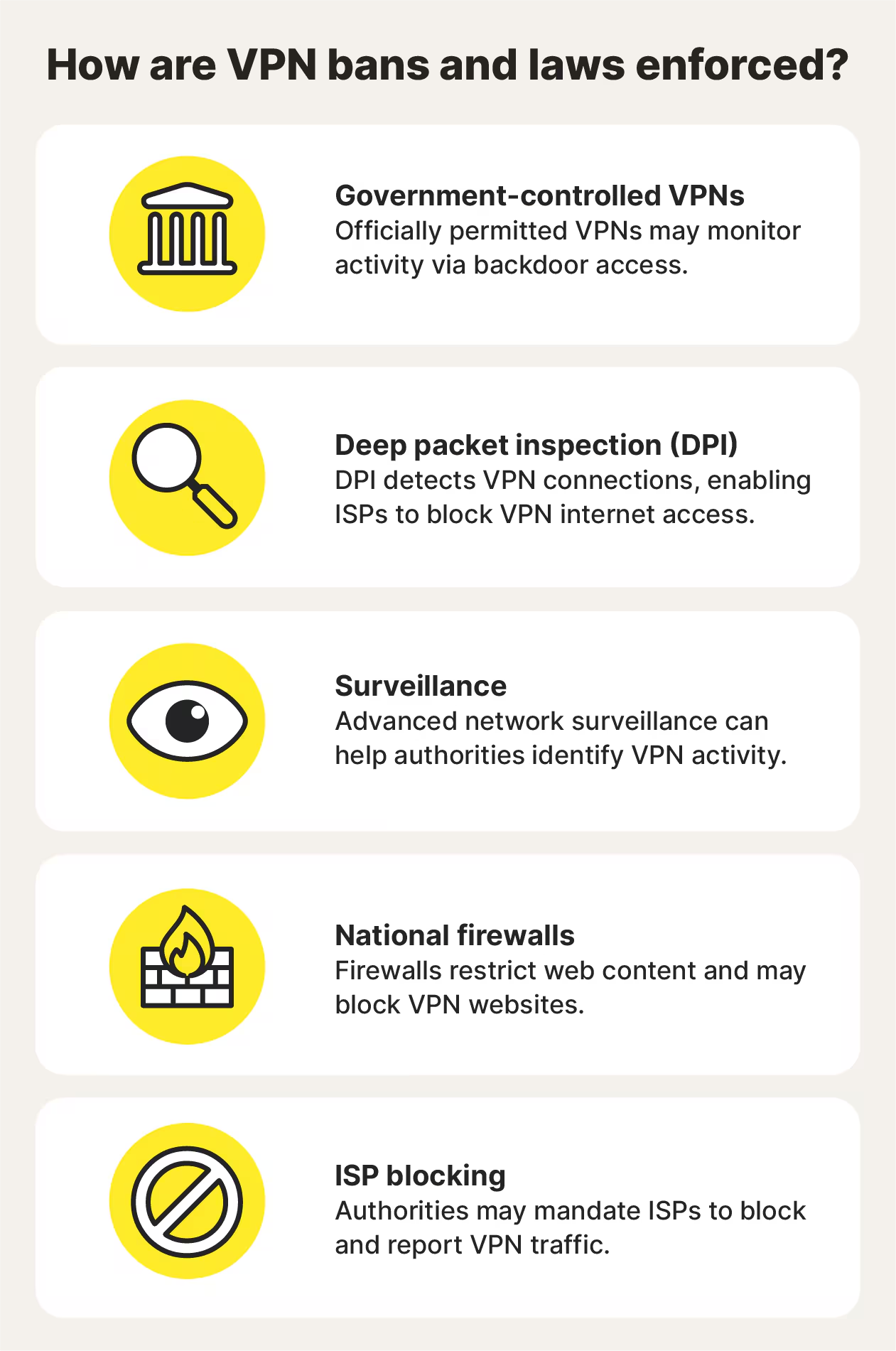
- DNS-Based Filtering: Many ISPs use DNS filtering to block access to specific domains. When you try to visit a site, your DNS request is intercepted and redirected or denied.
- IP Address Blocking: In some cases, entire IP ranges or servers may be blocked at the network level to stop all traffic to certain servers.
- Network Policy Controls: Public Wi-Fi networks, schools, or workplaces often enforce filtering policies at the router or gateway level, independent of national legislation.
How a VPN Changes the Network Path
A VPN encrypts traffic between your device and the VPN server. When a VPN is active:
- DNS requests are typically handled by the VPN provider
- traffic is encrypted before it reaches your ISP
- the ISP cannot see which domains you are accessing
From the ISP’s perspective, your connection appears as encrypted traffic to a VPN server rather than individual website requests.
Industry leaders like Surfshark utilize NoBorders mode to help users maintain access even on highly restricted networks.
When a VPN Can Bypass ISP Filtering
VPNs can bypass ISP filtering when the restriction is applied at the network level. This includes:
- DNS-based blocking
- domain-level filtering
- local network restrictions
- public Wi-Fi content controls
Because the VPN prevents the ISP from seeing the destination of your traffic, these filters often no longer apply.
Where VPNs Do Not Help
There are important limitations. A VPN does not bypass:
- platform-enforced content moderation
- account-level restrictions
- age verification systems
- blocks implemented directly by the service you are using
If a website or platform restricts access based on account rules or internal policies, a VPN has no effect.
Top VPN Recommendations for 2026
For users seeking privacy in the post-OSA landscape, we recommend these top-rated providers:
- NordVPN: Best overall for speed and security, featuring obfuscated servers designed to disguise VPN traffic as regular web traffic.
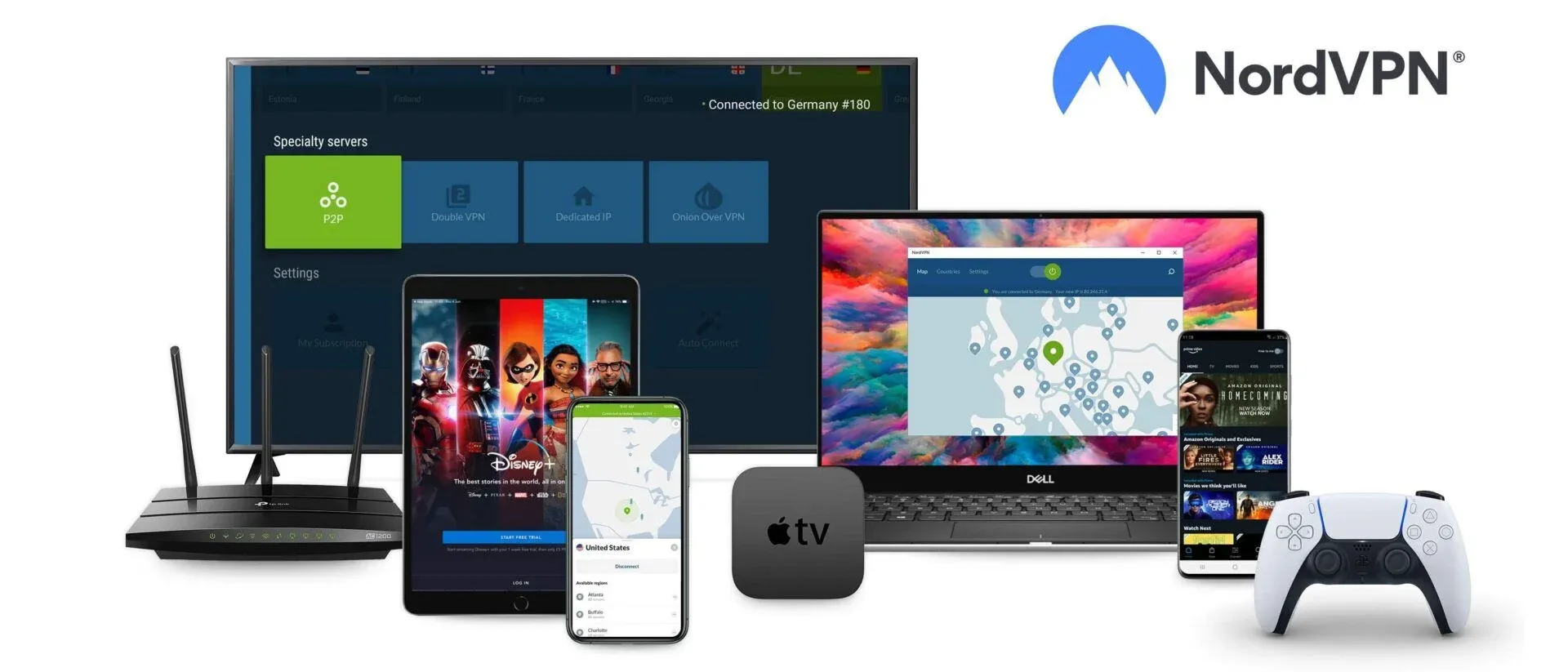
- Surfshark: Best value for families, offering unlimited simultaneous connections and a NoBorders mode for bypassing network restrictions.

- ExpressVPN: Best for simplicity and speed, with intuitive apps that are easy to use for both beginners and experts.
ISP Filtering vs Platform Enforcement
This distinction is crucial.
- ISP filtering operates at the network level.
- Platform enforcement operates at the service level.
VPNs affect the network layer only. They do not interfere with how platforms enforce their own rules or comply with the Online Safety Act.
Are VPNs Blocked by ISPs?
The Online Safety Act does not require ISPs to block VPNs. Most ISPs allow VPN traffic without issue. While it is technically possible for an ISP to restrict VPN usage, this is not mandated by the Act and is uncommon in consumer internet services.
Legal and Practical Considerations
Using a VPN to bypass network-level filtering is not illegal in itself. However:
- it does not make illegal content legal
- it does not override platform rules
- it does not exempt users from laws
The legality of VPN use remains unchanged by the Online Safety Act.
Practical Takeaways
- VPNs can bypass ISP-level filtering when restrictions rely on DNS or network inspection.
- VPNs do not bypass platform-level enforcement or age verification.
- VPN use remains legal under the Online Safety Act.
- VPNs should be viewed as privacy and security tools, not compliance bypass tools.
Frequently Asked Questions
- Can a VPN bypass ISP website blocks? Yes, if the block is implemented at the DNS or network level.
- Can a VPN bypass age verification? No. Age verification is enforced by platforms.
- Will ISPs block VPNs under the Online Safety Act? No. The Act does not mandate VPN blocking.
- Can ISPs see VPN traffic? They can see that a VPN connection exists, but not the contents of the traffic.



Final Verdict
VPNs can bypass ISP-level filtering in certain technical scenarios, but they do not override platform rules, age verification systems, or legal obligations. Understanding the difference between network filtering and platform enforcement is key to setting realistic expectations about what VPNs can and cannot do under the Online Safety Act.
Last updated: 2026