Table of Contents
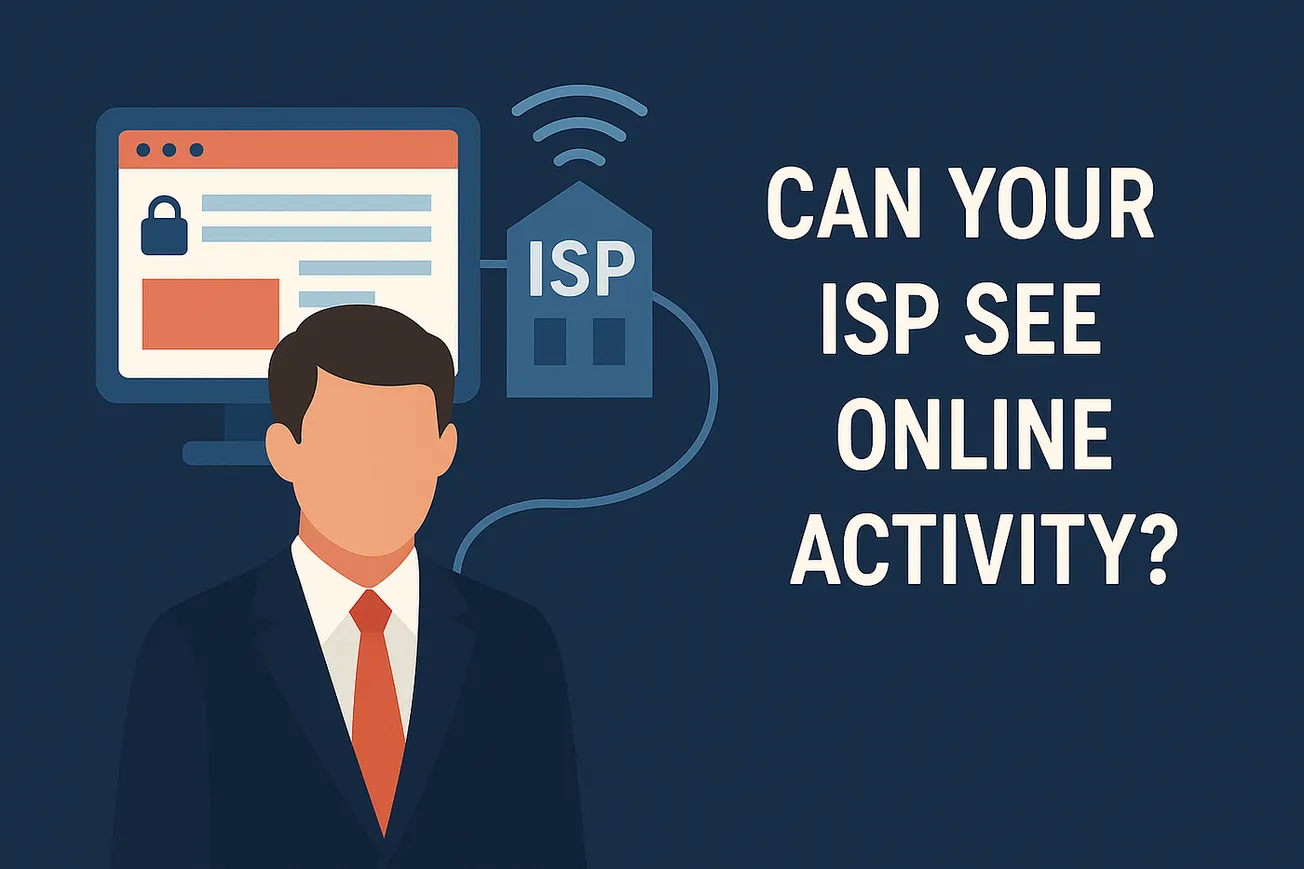
A common concern for internet users is whether their internet service provider can see what they do online. The short answer is that it depends on how you connect and what tools you use.
ISPs sit at a critical point in the connection between your device and the wider internet. This position gives them visibility into certain types of data by default, but modern encryption and privacy tools significantly limit what they can actually observe.
This article explains what ISPs can see, what they cannot see, and how privacy tools like VPNs change that visibility, without exaggeration or technical myths.
This visibility is part of the broader way internet access and blocking work across different technical layers, which we explain in our guide on how internet blocking, access, and privacy actually work.
The Role of an ISP in Your Internet Connection
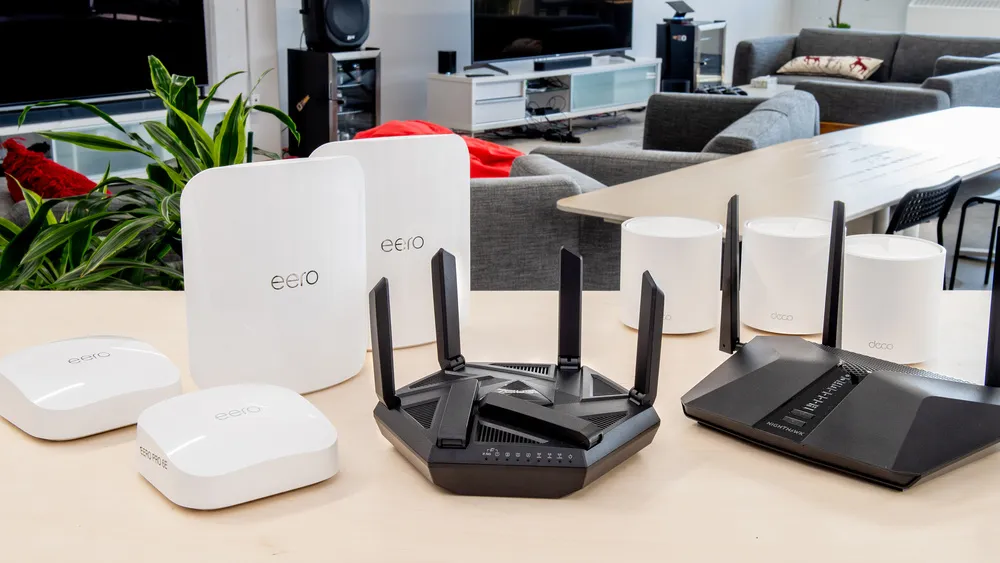
Your ISP provides the physical and logical connection that allows your device to reach websites, apps, and online services.
Every request you make passes through your ISP’s network before reaching its destination. Because of this, ISPs can observe metadata about your connection, even when the content itself is encrypted.
Understanding this distinction between content and metadata is key.
What Your ISP Can See Without Any Privacy Tools
If you connect to the internet without a VPN or similar protection, your ISP can typically see:
- the IP addresses you connect to
- the domain names you request through DNS
- the time and duration of connections
- the amount of data transferred
Because most websites now use HTTPS, ISPs usually cannot see the content of what you view, such as page text, messages, or form submissions. However, they can still infer browsing behavior based on destinations and timing.
DNS Requests and Visibility
DNS requests are a major source of ISP visibility.
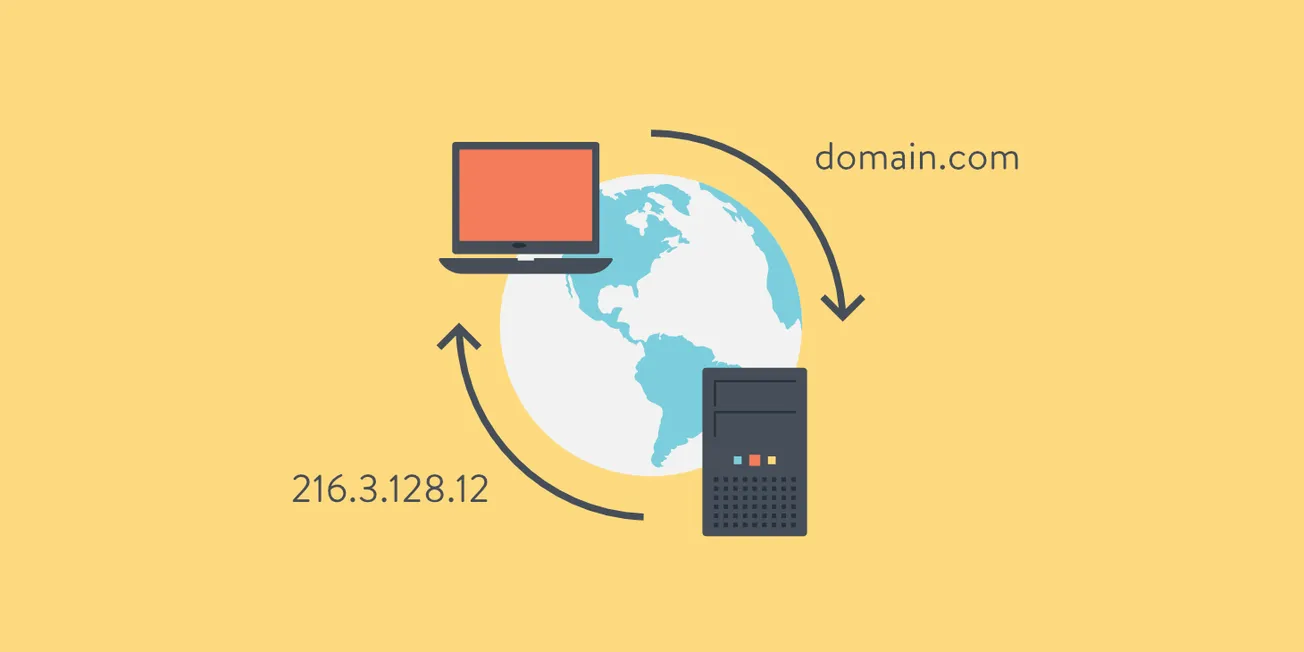
When you type a website address, your device asks a DNS resolver to translate that domain into an IP address. If your ISP provides DNS services, these requests are visible to them.
This allows an ISP to see:
- which domains you attempt to visit
- how often you visit them
Even though the page content is encrypted, DNS can reveal a surprising amount of information about browsing habits.
What Encryption Changes
HTTPS encryption protects the contents of your connection between your browser and the website.
With HTTPS enabled:
- page content is encrypted
- messages and form data are hidden
- search queries are not visible in plaintext
However, encryption does not hide the fact that a connection exists or where it is going.
What Your ISP Cannot See
Even without a VPN, ISPs generally cannot see:
- the specific pages you view on a website
- the content of messages or emails
- passwords or form data
- files transferred over encrypted connections
This protection comes from HTTPS, not from the ISP voluntarily limiting access.
How a VPN Changes ISP Visibility
A VPN encrypts traffic between your device and the VPN server.
When a VPN is active, your ISP can usually see:
- that a VPN connection exists
- the IP address of the VPN server
- the amount of data transferred
They cannot see:
- which websites you visit through the VPN
- which apps or services you use
- the contents of your traffic
From the ISP’s perspective, all activity appears as encrypted data flowing to a single destination.
ISP Visibility With and Without a VPN
| Scenario | What the ISP Can See |
|---|---|
| No VPN, HTTPS | Domains visited, timing, data volume |
| No VPN, HTTP | Domains and content |
| VPN enabled | VPN connection only |
This table illustrates why VPNs are effective at reducing ISP-level visibility.
Does Private Browsing Hide Activity From ISPs?
Private or incognito browsing modes do not hide activity from ISPs.
These modes:
- prevent local history storage
- limit cookies and session data
They do not affect how traffic is routed or encrypted.
Mobile Networks and ISPs
Mobile carriers function similarly to traditional ISPs.
Without a VPN, mobile providers can see:
- destination domains
- connection metadata
Using a VPN on mobile devices offers the same reduction in visibility as on desktop connections.
Why ISPs Care About Visibility
ISPs may retain metadata for:
- network management
- billing and diagnostics
- compliance with legal obligations
This does not automatically imply active monitoring of individual users, but it explains why visibility exists by default.
Common Myths About ISP Monitoring
“ISPs can read everything you do online”
False. Encryption prevents content inspection.
“HTTPS hides everything”
False. It hides content but not destinations.
“A VPN makes you invisible online”
False. It reduces ISP visibility but does not provide full anonymity.
Practical Takeaways
- ISPs can see destinations and metadata by default
- HTTPS protects content but not browsing patterns
- VPNs significantly reduce ISP visibility
- Private browsing does not affect ISP monitoring
Choosing the right privacy tools depends on what level of visibility you are comfortable with.
Frequently Asked Questions
Can my ISP see my browsing history?
They can infer visited domains but not page content when HTTPS is used.
Can an ISP see activity if I use a VPN?
They can see that a VPN is used, but not the destinations or content.
Is using a VPN legal?
Yes. VPNs are legal in most countries.
Final Verdict
ISPs occupy a central position in internet connectivity, which gives them access to certain metadata by default.
Modern encryption limits what they can see, and VPNs further reduce visibility by encrypting traffic before it reaches the ISP.
Understanding these boundaries allows users to make informed decisions about privacy without relying on myths or assumptions.