Table of Contents
When a website fails to load, one of the most common suggestions online is to “change your DNS.” Sometimes this fixes the problem instantly. Other times it does nothing at all. The reason for this inconsistency is simple: DNS only controls one part of how internet access works.
This article explains what DNS actually does, why changing DNS can bypass certain restrictions, and why it often has no effect on others. Understanding this distinction helps set realistic expectations and avoids common misconceptions.
DNS is only one part of the broader system that controls online access, which we explain in our guide on how internet blocking and access work across different layers.
What DNS Actually Does
DNS, or Domain Name System, functions as the internet’s address lookup service.
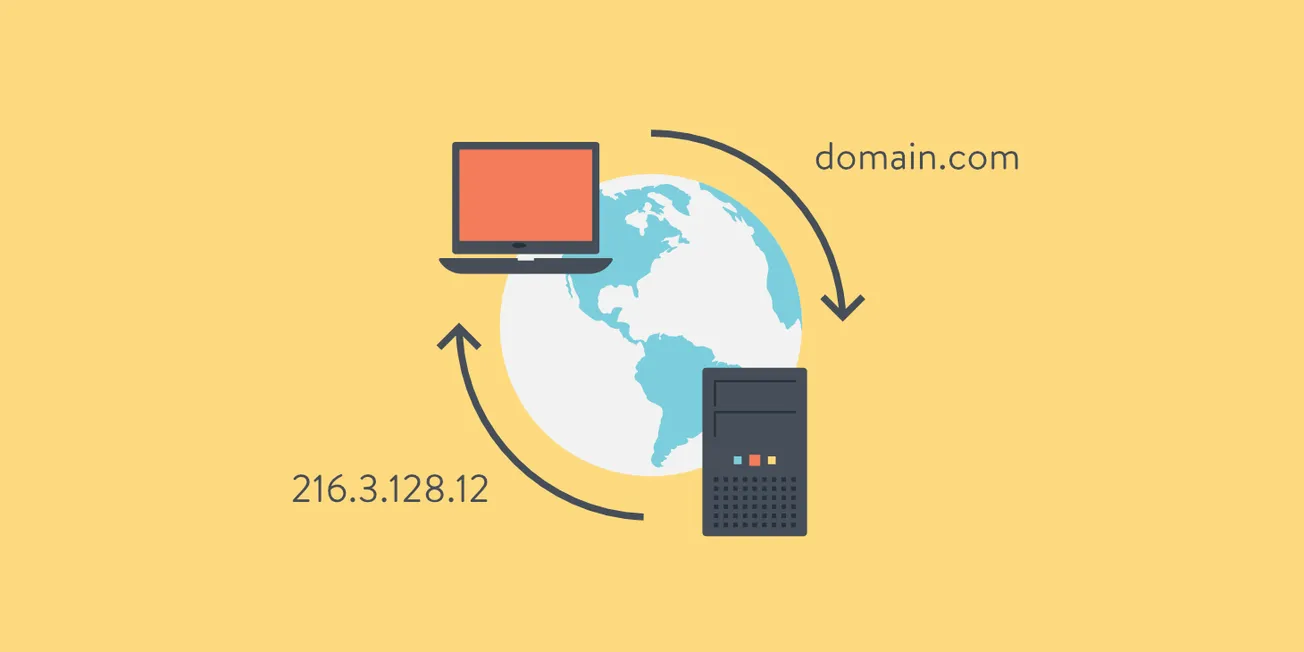
When you enter a website address into your browser, DNS translates that human-readable domain name into a numerical IP address that computers use to communicate.
Without DNS:
- websites could not be located by name
- browsers would not know where to send requests
- internet navigation would require memorizing IP addresses
DNS is involved before any connection to a website is made.
How DNS Resolution Works in Practice
A simplified DNS lookup process looks like this:
- Your device asks a DNS resolver for the IP address of a domain
- The resolver responds with an IP address or an error
- Your device connects to the returned IP address
If the DNS resolver refuses to answer or returns an incorrect response, the connection never happens.
Why ISPs Use DNS Filtering
Many ISPs implement filtering at the DNS level because it is:
- efficient
- relatively easy to manage
- effective at blocking access without deep traffic inspection
DNS filtering may be used for:
- parental controls
- malware protection
- regulatory compliance
- network policy enforcement
This is why DNS-related blocks are common and widely encountered.
Why Changing DNS Sometimes Works
Changing DNS works when the restriction exists at the DNS level.
If your ISP’s DNS resolver blocks or redirects certain domains, switching to a different resolver can bypass that restriction because:
- the new resolver provides an unfiltered response
- the block is never triggered
- the website is resolved normally
In these cases, the website itself is not blocking access. Only the DNS lookup was prevented.
When Changing DNS Does Not Work
Changing DNS does not bypass restrictions that occur after DNS resolution.
It will not affect:
- IP-based blocking
- platform-level restrictions
- account-based access controls
- age verification systems
If a website receives your connection request and denies access internally, DNS changes have no effect.
DNS vs VPN: Different Tools, Different Layers
DNS changes affect name resolution only.
VPNs affect network routing and encryption.
This difference matters:
- DNS changes can bypass DNS filtering
- VPNs can bypass ISP-level filtering and hide destinations
- neither affects platform enforcement or account rules
DNS and VPNs are often confused because they are mentioned together, but they operate at different layers.
Public DNS Providers and Privacy
Using a public DNS resolver changes who processes your DNS requests.
Instead of your ISP, requests are handled by the chosen provider. This can:
- bypass ISP filtering
- reduce ISP-level visibility
- introduce a different trust relationship
DNS changes do not encrypt traffic by themselves.
DNS Encryption
Modern technologies such as DNS over HTTPS and DNS over TLS encrypt DNS queries between your device and the resolver.
This prevents:
- network observers from seeing domain requests
- tampering with DNS responses
However, encryption does not change whether a website itself allows access.
Common Myths About DNS
“Changing DNS hides all browsing activity”
False. DNS only affects name resolution.
“DNS bypasses all blocks”
False. It bypasses DNS-level filtering only.
“DNS is the same as a VPN”
False. DNS does not encrypt traffic or hide IP addresses.
Practical Takeaways
- DNS controls domain resolution, not access decisions
- Changing DNS works only for DNS-based filtering
- DNS changes do not affect platform or account restrictions
- VPNs and DNS operate at different technical layers
Choosing the right tool depends on where the restriction occurs.
Frequently Asked Questions
Why does changing DNS fix some blocked websites?
Because some blocks are implemented at the DNS level.
Does changing DNS improve privacy?
It can reduce ISP visibility of domain requests but does not encrypt traffic.
Is changing DNS legal?
Yes. Changing DNS settings is legal in most countries.
Final Verdict
DNS is a foundational part of how the internet works, but it controls only one layer of access.
Changing DNS can be effective in specific situations, particularly where filtering occurs before a website is contacted. It is ineffective when restrictions are enforced by networks, platforms, or account systems.
Understanding where DNS fits helps explain why it sometimes works instantly and why, in many cases, it does nothing at all.