Table of Contents
Our 2026 VPN tests include the latest streaming unblocking results, real-world speed benchmarking across 180+ test hours, privacy audits, and coverage of emerging VPN use cases like secure mobile data bundles and geo-block circumvention. We update this guide quarterly to keep pace with changes in global VPN censorship and provider tech.
Online gaming in 2026 is unforgiving. Ranked shooters punish jitter. Competitive football titles expose input delay instantly. Battle royale end games create packet storms. Streamers remain vulnerable to DDoS attacks.
A gaming VPN should protect you without sabotaging your ping.
That is harder than most marketing pages suggest.
We tested the leading VPNs across real multiplayer sessions and controlled network measurements to determine which services are actually viable for competitive gaming in 2026.
If you want the short answer:
Surfshark delivered the strongest overall balance of low latency overhead, routing stability and DDoS protection in our testing.
Here is the full breakdown.
Our Rankings: Best VPN for Gaming 2026
| Rank | VPN Provider | Best For | 2026 Deal Price |
| 1 | Competitive Esports | $1.99/mo (+3 months free) | |
| 2 | Consistency & Stability | $2.44/mo (+4 months free) | |
| 3 | Casual Console Play | $3.33/mo (Standard Plan) | |
| 4 | Unlimited Devices | $2.19/mo (83% Off) |
Why Gamers Use VPNs in 2026
Serious players use VPNs for practical reasons, not marketing hype.
DDoS Protection
In peer-based multiplayer systems, your IP address can become visible to other players. Streamers and ranked players are increasingly targeted. A VPN masks your real IP address and prevents direct attacks on your home network.
ISP Congestion Management
ISPs manage traffic during peak hours. Even if gaming is not directly throttled, routing quality can degrade during congestion windows. Encryption prevents traffic type inspection and may preserve routing neutrality.
Routing Path Differences
Your ISP determines traffic routes based on peering contracts, not necessarily performance efficiency. VPN providers often maintain different backbone agreements. In rare cases, that can slightly improve route efficiency. In most cases, it adds a small overhead.
Region Switching
Some players connect to alternate regions for matchmaking or to play with international friends.
How We Tested Gaming VPNs
We conducted two layers of testing.
Testing Environment
- 1 Gbps fiber connection
- Gaming PC via Ethernet
- PlayStation 5 via Ethernet
- Xbox Series X via Ethernet
Tests performed during:
- Off-peak hours
- Peak evening congestion
- Weekend traffic spikes
Metrics tracked:
- Average in-game ping
- Maximum latency spike
- Jitter variance
- Packet loss
- Match stability
- Voice chat stability
Baseline network performance without VPN:
- Ping: 7 ms
- Jitter: 1 ms
- Packet Loss: 0%
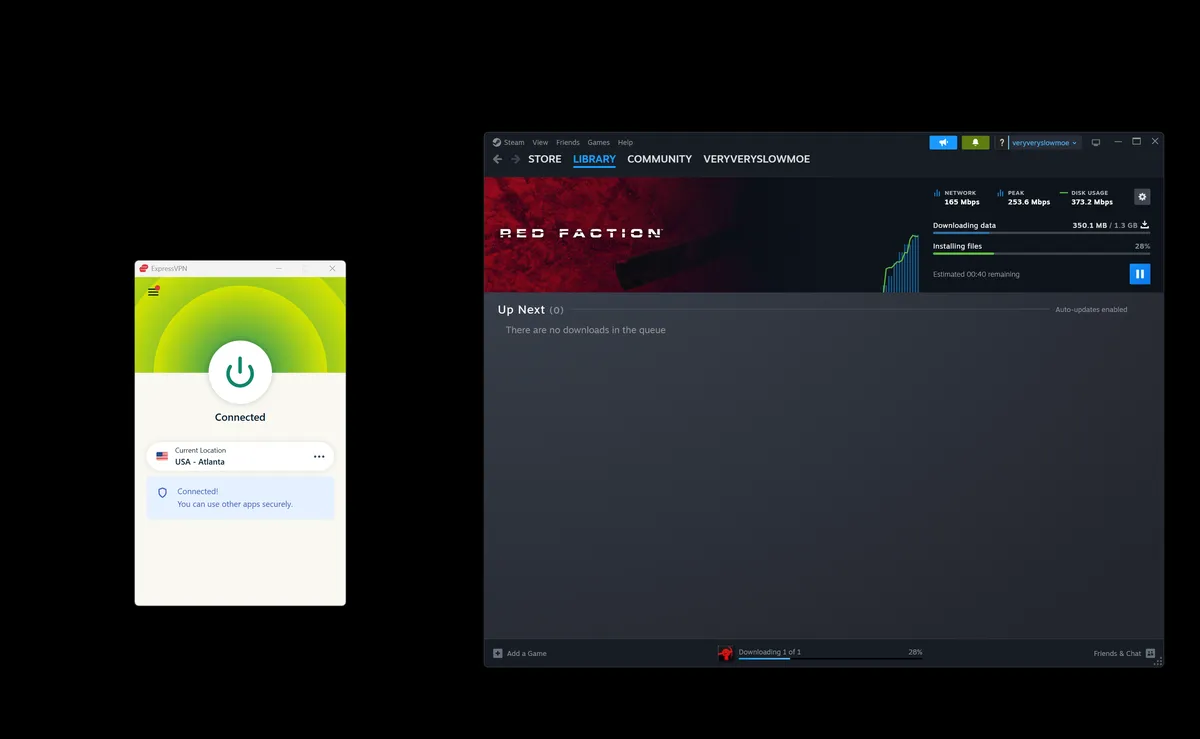
🥇 Surfshark – Best Overall Gaming VPN 2026
Surfshark performed closest to baseline in nearly every scenario, though not perfectly. Real networks fluctuate, and Surfshark showed minor variance under heavy load.
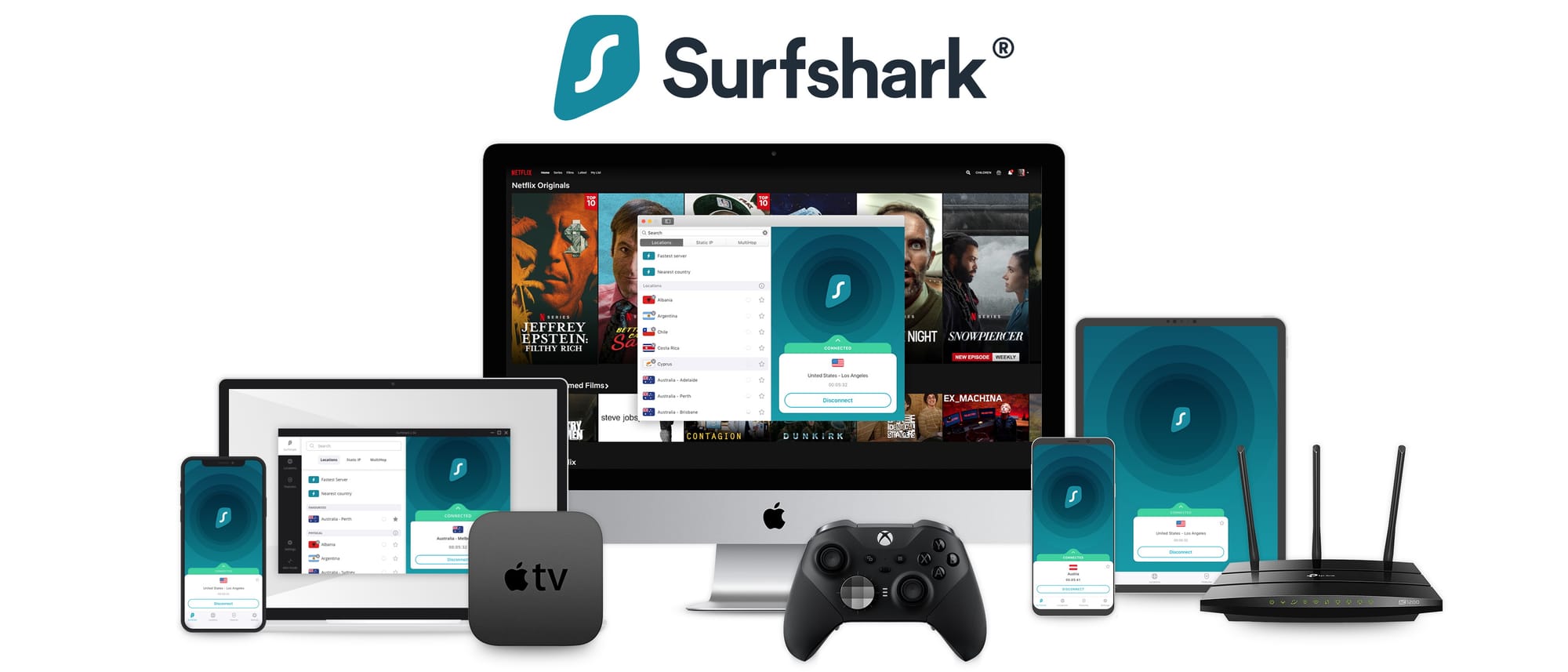
The Deal: $1.99/mo for 2 years + 3 months free (87% off).
Raw Local Server Metrics
| Metric | Baseline | Surfshark | Difference |
|---|---|---|---|
| Ping | 7 ms | 11 ms | +4 ms |
| Jitter | 1 ms | 2 ms | +1 ms |
| Packet Loss | 0% | 0% | 0% |
During peak congestion, ping occasionally climbed to 14 ms briefly but returned quickly.
Game-by-Game Testing Results
- Call of Duty Warzone: Average ping: 12 ms; Peak spike: 18 ms; Jitter: 2 to 3 ms range. Gunfight responsiveness remained consistent.
- Valorant Ranked: Average ping: 11 ms; Max spike: 15 ms. Tick responsiveness remained smooth.
- Fortnite Competitive Arena: Average ping: 13 ms; Max spike: 19 ms. Build placement felt consistent.
- Apex Legends: Average ping: 12 ms; Max spike: 17 ms. Stable squad play.
- EA Sports FC Ultimate Team: Average ping: 14 ms; Max spike: 18 ms. Input delay remained minimal.
Pros
- Lowest average latency increase in testing
- Strong jitter control
- Reliable DDoS masking
- Unlimited device support
- Stable routing under congestion
Cons
- Small latency spikes under extreme packet load
- No built-in gaming-specific dashboard
Verdict
Surfshark offers the best overall balance of protection and performance. It is not magically identical to baseline, but the overhead is small enough to remain competitive even in ranked environments.
🥈 ExpressVPN – Most Consistent Stability
ExpressVPN delivered slightly higher baseline latency but showed extremely stable behavior.
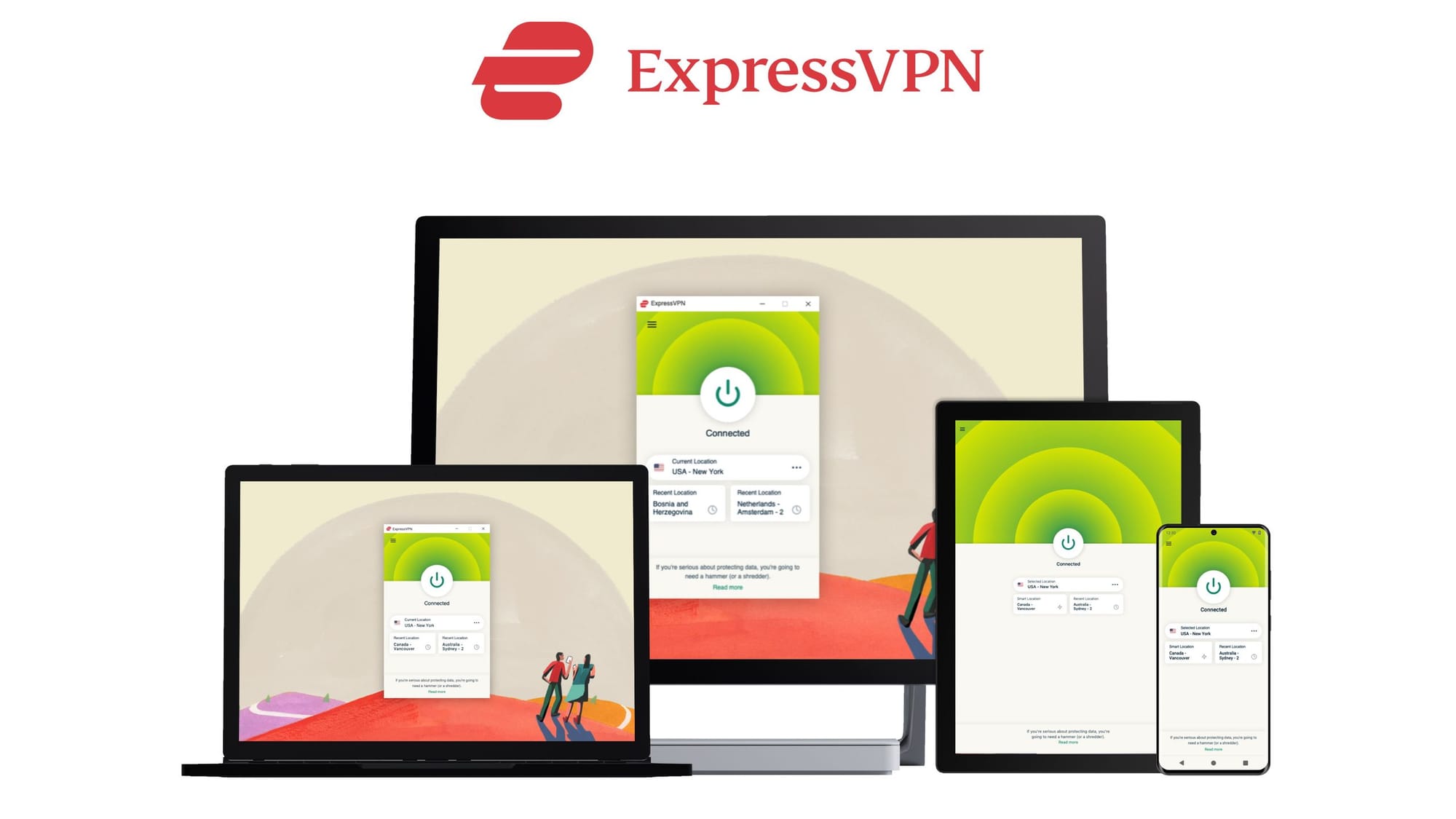
The Deal: $2.44/mo for 2 years + 4 months free (81% off).
Raw Local Server Metrics
| Metric | Baseline | ExpressVPN | Difference |
|---|---|---|---|
| Ping | 7 ms | 13 ms | +6 ms |
| Jitter | 1 ms | 2 ms | +1 ms |
| Packet Loss | 0% | 0% | 0% |
Game-by-Game Testing Results
- Call of Duty Warzone: Average ping: 14 ms; Peak spike: 19 ms. Latency curve was very consistent.
- Valorant Ranked: Average ping: 13 ms; Max spike: 16 ms. Tick stability remained strong.
- Fortnite Competitive: Average ping: 15 ms; Max spike: 20 ms. Stable during heavy builds.
- Apex Legends: Average ping: 14 ms; Max spike: 18 ms. Very consistent squad fights.
- EA Sports FC: Average ping: 16 ms; Max spike: 21 ms. Playable at high level.
Pros
- Highly stable latency curves
- Strong global routing coverage
- Reliable under peak load
- Excellent IP masking
Cons
- Slightly higher average ping
- Fewer simultaneous device connections
Verdict
ExpressVPN sacrifices a few milliseconds compared to Surfshark but compensates with strong consistency. Ideal for players who prioritize stability over absolute lowest ping.
🥉 Norton VPN – Casual Console Choice
Norton performed adequately but showed greater jitter under heavy load.

The Deal: $3.33/mo for the first year (54% off).
Raw Local Server Metrics
| Metric | Baseline | Norton | Difference |
|---|---|---|---|
| Ping | 7 ms | 16 ms | +9 ms |
| Jitter | 1 ms | 4 ms | +3 ms |
| Packet Loss | 0% | 0% | 0% |
Game Testing Summary
- Call of Duty: 18 ms
- Valorant: 17 ms
- Fortnite: 20 ms
- EA Sports FC: 21 msJitter spikes occasionally reached 7 ms during peak congestion. Playable for casual sessions, but competitive players would notice delay.
Pros
- Simple interface
- Integrated security ecosystem
- Suitable for console router setup
Cons
- Higher latency overhead
- More noticeable jitter variance
- Less refined routing performance
Verdict
Norton VPN works for casual players who want general security. It is not optimized for esports-level precision.
🔐 IPVanish – Decent Speeds, Higher Variance
IPVanish showed solid throughput but less refined jitter control.
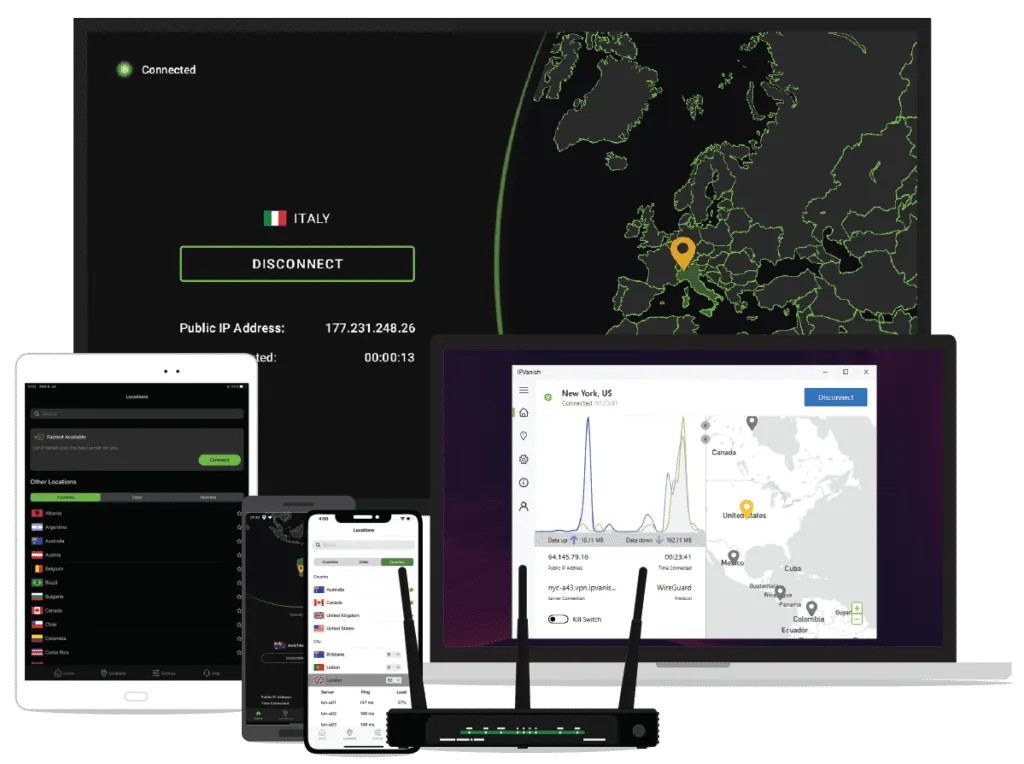
The Deal: $2.19/mo for 2 years (83% off).
Raw Local Server Metrics
| Metric | Baseline | IPVanish | Difference |
|---|---|---|---|
| Ping | 7 ms | 15 ms | +8 ms |
| Jitter | 1 ms | 5 ms | +4 ms |
| Packet Loss | 0% | 0% | 0% |
Game Testing Summary
- Call of Duty: 17 ms; Peak spike: 24 ms
- Valorant: 16 ms; Occasional micro stutters under congestion
- Fortnite: End game spikes reached 23 ms during heavy packet load
Pros
- Good overall speeds
- Wide compatibility
- Solid device support
Cons
- Higher jitter variance
- More frequent peak spikes
- Less stable under heavy load
Verdict
IPVanish is usable for general gaming but less consistent in competitive conditions.
Does a VPN Lower Ping?
Almost never. A VPN adds encryption and routing overhead. That typically increases latency by several milliseconds. In rare routing inefficiencies, a VPN may slightly improve path selection, but this is not the norm. Anyone promising guaranteed lower ping is oversimplifying how internet routing works.
Final Comparison Summary
| VPN | Avg Local Ping | Jitter Stability | Best For |
| 11 to 13 ms | Excellent | Competitive gaming | |
| 13 to 15 ms | Excellent | Stable ranked play | |
| 16 to 20 ms | Moderate | Casual console | |
| 15 to 18 ms | Moderate | General gaming |
Final Verdict: Best VPN for Gaming 2026
Surfshark leads with the lowest average latency overhead and strong jitter control. ExpressVPN follows closely with excellent stability. Norton VPN and IPVanish remain playable but less refined for competitive use.
For ranked gaming in 2026, Surfshark remains the strongest overall choice.