Table of Contents
As the UK Online Safety Act comes into force in 2026, one of the most common questions people ask is whether using a VPN is still legal. The short answer is yes: VPNs remain legal to use in the UK, and the Online Safety Act does not ban or restrict VPN services.
However, understanding why VPNs remain legal, and what the law actually targets, is important. Much of the confusion comes from misunderstanding the scope of the Act and overestimating what it is designed to control. This article explains the legal position clearly, without speculation or alarmism.
Our full guide to how VPNs interact with the Online Safety Act
What the Online Safety Act Regulates
The Online Safety Act is designed to regulate online services, not individual internet users. Its legal obligations apply primarily to:
- social media platforms
- content-sharing services
- search engines
- large online platforms that host or distribute user-generated content
These companies are required to assess risks, enforce content rules, and implement age-appropriate protections. The law does not introduce new offences for ordinary users who access the internet or use privacy tools.
Are VPNs Mentioned in the Online Safety Act?
No. VPNs are not prohibited, restricted, or singled out in the Online Safety Act. The legislation does not:
- ban VPN software or services
- require users to identify themselves when using a VPN
- criminalize encrypted connections
VPN technology continues to be legal and widely used for legitimate purposes such as privacy, security, and safe remote access.

Why VPNs Remain Legal
VPNs are legal because they are general-purpose privacy and security tools, not tools designed to evade the law. Common legitimate uses include:
- securing data on public Wi-Fi
- protecting personal information from ISP-level tracking
- remote work and business connectivity
- safeguarding sensitive communications
The Online Safety Act does not change the legality of encryption or private networking.
Misconceptions about VPN legality
What the Law Does Not Protect You From
While VPNs are legal, they do not grant immunity from laws or platform rules. Using a VPN does not:
- make illegal activity legal
- override a platform’s terms of service
- prevent law enforcement from acting under lawful authority
If an activity is illegal without a VPN, it remains illegal when performed using one.
VPNs and Platform Rules
Even though VPNs are legal, platforms may still enforce their own rules. For example:
- streaming services may block VPN traffic to enforce regional licensing
- online platforms may restrict accounts for rule violations
- services may require age verification regardless of IP address
These are contractual and platform-level decisions, not criminal enforcement.
Can the Government Detect VPN Use?
Using a VPN is not hidden from your internet service provider. ISPs can generally see:
- that a VPN connection exists
- the amount of data being transferred
They cannot see:
- the contents of encrypted traffic
- which websites you visit through the VPN
The Online Safety Act does not mandate new ISP surveillance requirements for VPN users.
Common Misconceptions About VPN Legality
- “VPNs are illegal under the Online Safety Act”: False. The Act does not ban VPNs.
- “Using a VPN is suspicious or unlawful”: False. VPN use is common for work, security, and privacy.
- “VPNs will be blocked nationwide”: False. While Ofcom monitors circumvention, a ban on VPN apps is not being considered.
Choosing a VPN With Privacy in Mind
If you are looking for a reliable and audited VPN in 2026, we recommend the following providers:
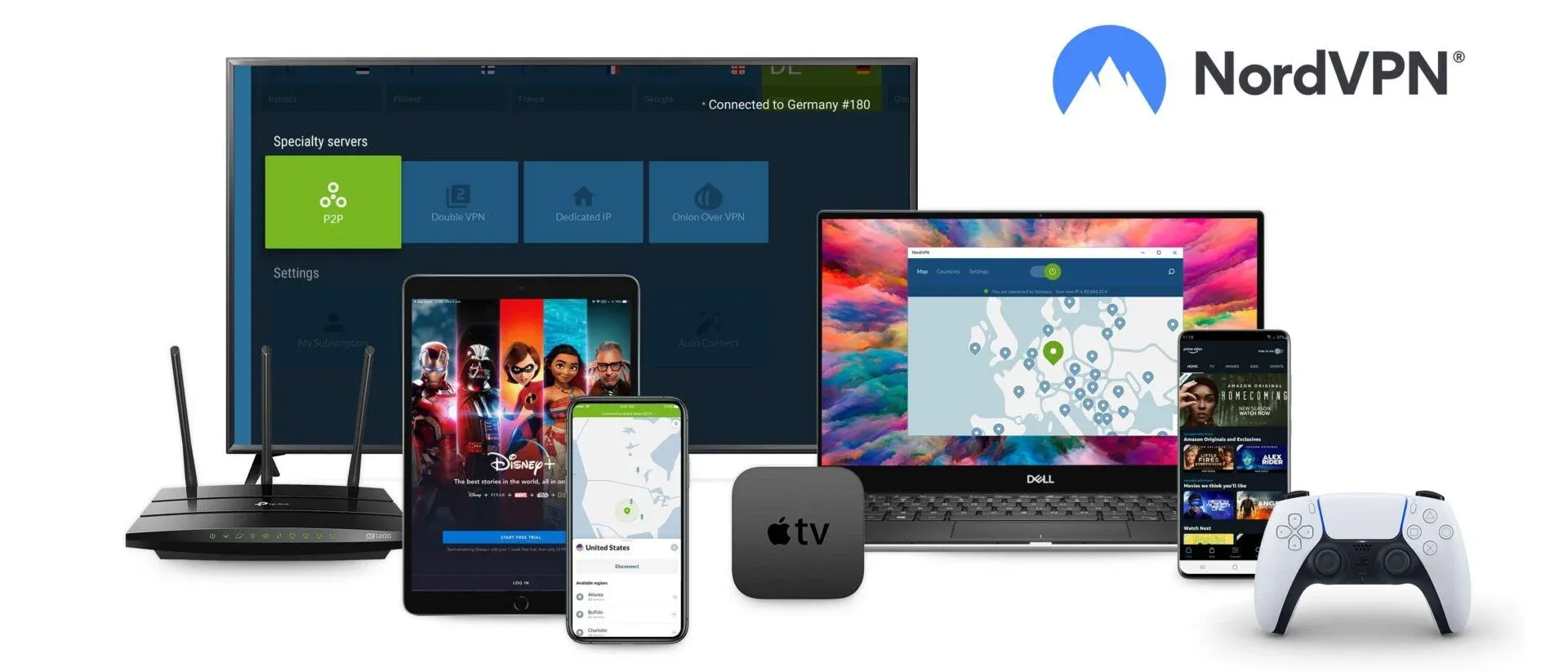
- NordVPN: Best overall for security, featuring an audited no-logs policy and 10 Gbps servers.
- Surfshark: Best value for families, allowing unlimited simultaneous device connections.
- ExpressVPN: Best for beginners, with highly intuitive apps and a proven track record of privacy.
Practical Takeaway
VPNs remain legal in the UK under the Online Safety Act. The law targets how platforms operate, not how individuals route their internet traffic. A VPN can still be used for privacy, security, and safe browsing, but it should not be viewed as a way to bypass laws or platform enforcement.



Frequently Asked Questions
- Are VPNs banned in the UK? No. VPNs are legal to use in the UK.
- Does the Online Safety Act criminalize VPN use? No. The Act does not introduce offences related to VPN usage.
- Can I be fined for using a VPN? No. There are no penalties for VPN use itself.
- Does a VPN make me anonymous legally? No. VPNs protect network privacy but do not provide legal immunity from criminal investigations.
Final Verdict
The Online Safety Act does not make VPNs illegal, nor does it restrict their use. VPNs remain legitimate privacy and security tools, widely used by individuals and businesses alike. Understanding their legal status helps separate fact from fear and allows users to make informed decisions without unnecessary concern.
Last updated: 2026