Table of Contents
The UK Online Safety Act has triggered widespread confusion about what is changing online, who is affected, and whether tools like VPNs play any role in privacy or access under the new rules.
Some coverage suggests the Act enables mass surveillance. Other articles imply that VPNs can simply bypass it altogether. Both interpretations are misleading. This guide explains what the Online Safety Act actually does, what VPNs realistically change, and where their limits are. The goal is clarity rather than alarmism.
What the Online Safety Act Actually Does
The Online Safety Act is primarily a platform-focused regulation, not a user-monitoring law. Its core objectives are to:
- require online platforms to assess and reduce the risk of harmful or illegal content.
- introduce stronger age-appropriate design and access controls.
- give regulators (Ofcom) enforcement powers over companies that fail to comply.
The Act focuses on how platforms operate, not on tracking individual internet users across the web. Importantly, it does not mandate real-time monitoring of all user activity by the government, nor does it require ISPs to inspect the contents of encrypted traffic.
@thomasrpearson Let's talk about the 'Online Safety Act' #uk #unitedkingdom #political #politicalmemes #labour #keirstarmer #government #politics #commentary #online #safetyfirst #fyp #ai #privacy
♬ original sound - Thomas Pearson 📸 - Thomas Pearson 📸
Who the Act Regulates
Understanding who the Act applies to is essential. The primary targets are:
- social media platforms
- user-generated content services
- search engines
- large content-hosting providers
The obligations fall on companies, not individual users. For everyday internet users, the practical impact comes indirectly through changes in how platforms enforce rules, implement age checks, or restrict access to certain types of content.
How age verification works under the Online Safety Act

What a VPN Actually Does
A VPN, or virtual private network, changes how your internet traffic is routed. When you use a VPN:
- your connection is encrypted between your device and the VPN server.
- your ISP can see that you are using a VPN, but not the contents of your traffic.
- websites see the VPN server’s IP address rather than your home IP address.
A VPN does not:
- change the rules a platform applies to your account.
- bypass moderation decisions made at the service level.
- make you anonymous to services you log into.
This distinction is critical when discussing regulation.
Where VPNs Can Help Under the Online Safety Act
VPNs can be useful in specific, limited scenarios that relate to network-level visibility rather than platform enforcement.
ISP-Level Filtering and Network Controls
If restrictions are implemented at the network or ISP level, such as DNS-based filtering or IP blocking, a VPN can prevent your ISP from seeing which sites you visit and may allow access to content that is filtered locally. This applies to:
- network-level content filtering
- public Wi-Fi restrictions
- regional network policies
In these cases, the VPN changes the network path your traffic takes.
ISP-level filtering under the Online Safety Act
Privacy From Network Observers
A VPN can reduce the amount of information visible to your ISP, network operators, and public Wi-Fi administrators. This remains true regardless of regulatory changes. The Online Safety Act does not alter how VPN encryption works at the network level.
Where VPNs Do Not Help
This is where many misunderstandings arise.
Platform Enforcement and Moderation
If a platform enforces content moderation rules, account restrictions, or age verification checks, a VPN does not override these systems. Platforms apply rules based on accounts, behavior, and service-level policies, not just IP addresses. Logging into a service while using a VPN does not make you invisible to that service.
Age Verification Systems
Age-gating mechanisms typically rely on account information, verification providers, or identity checks. A VPN does not bypass these systems. If a platform requires age verification, the requirement applies regardless of whether you use a VPN.
Encrypted Platform Traffic
Many major platforms already use end-to-end or application-level encryption. A VPN does not add extra protection against platform-side data collection once you are logged in. The VPN only affects the network layer, not how a service processes user data internally.
Common Myths About VPNs and the Online Safety Act
- “VPNs bypass the Online Safety Act”: False. The Act regulates platforms, not routing paths.
- “VPNs make you anonymous under the Act”: False. VPNs mask IP addresses but do not anonymize logged-in activity.
- “VPNs are illegal under the Online Safety Act”: False. VPNs remain legal to use in the UK. The Act does not ban VPN services or usage.
Common myths about the Online Safety Act
When Using a VPN Still Makes Sense
A VPN can be a sensible tool if you:
- want to reduce ISP-level visibility
- use public or shared networks
- value encrypted connections on unsecured Wi-Fi
- want consistent network privacy regardless of regulation
It should not be viewed as a tool for bypassing platform rules or legal obligations.
The legal status of VPNs under the Online Safety Act
Choosing a VPN With Privacy in Mind
If privacy is your priority, look for VPN providers that publish clear no-logs policies, undergo independent audits, and use modern encryption protocols.
Our Top Recommended VPNs for 2026
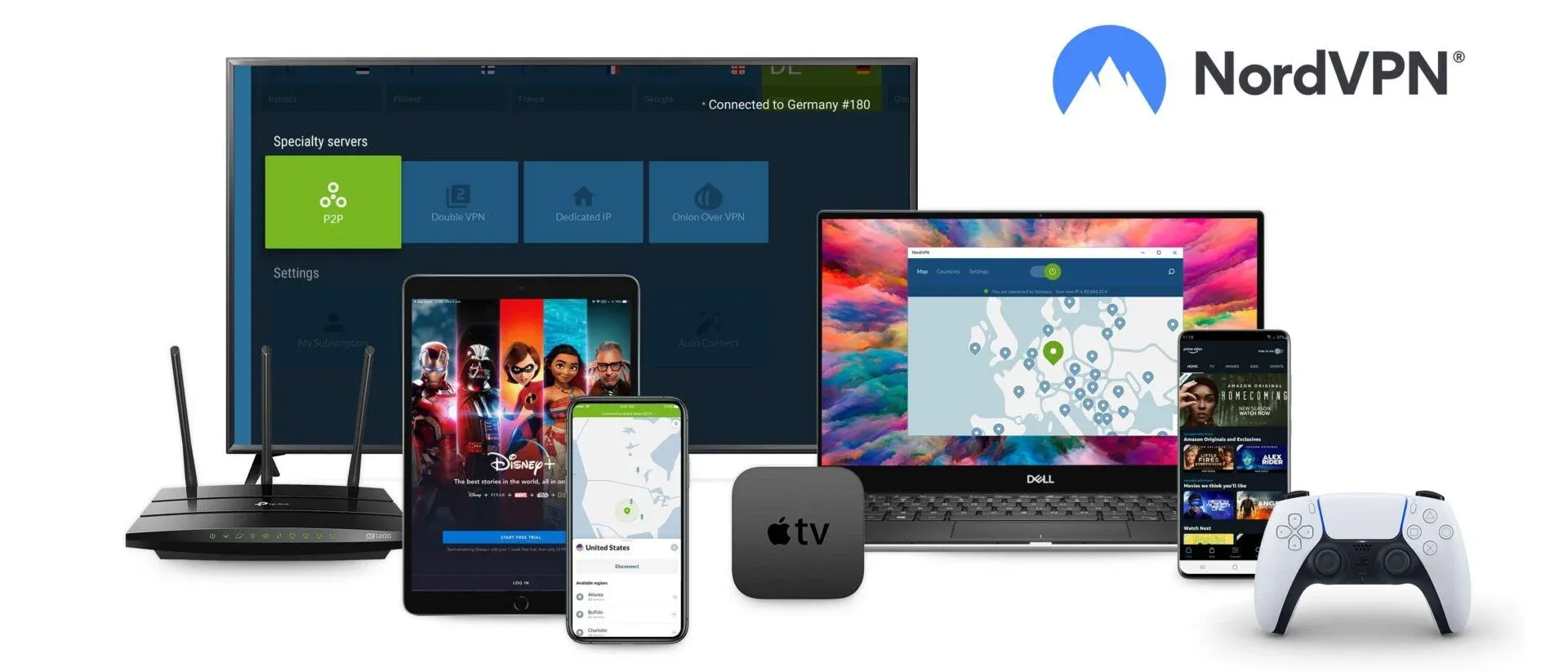
- NordVPN: Best for speed and advanced security features like Threat Protection Pro.
- Surfshark: Best value for families with unlimited simultaneous device connections.

- ExpressVPN: Best for ease of use across all major streaming and privacy platforms.
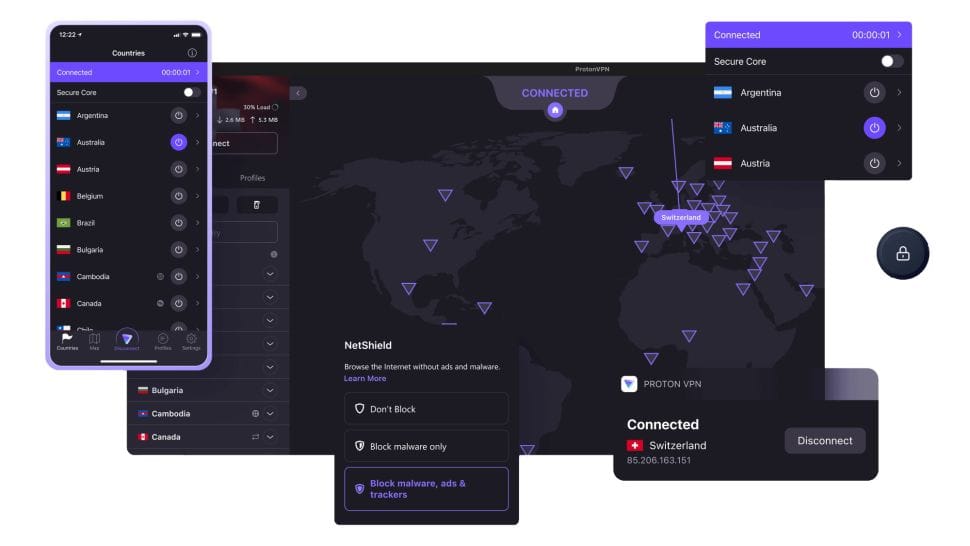
- Proton VPN: A top choice for transparency, offering fully open-source apps and Swiss-based jurisdiction.
Frequently Asked Questions
- Are VPNs legal in the UK under the Online Safety Act? Yes. VPNs remain legal to use.
- Can ISPs see what I do if I use a VPN? They can see that a VPN connection exists, but not the contents of encrypted traffic.
- Does a VPN bypass age verification? No. Age verification is enforced at the platform level.
- Does a VPN stop content moderation? No. Moderation decisions are made by platforms based on their internal systems.
Final Verdict
The Online Safety Act changes how platforms manage content and user access, not how encryption or network routing works. VPNs remain useful privacy tools for protecting traffic at the network level, but they are not a way to bypass platform rules, age checks, or moderation systems. Understanding these boundaries is essential for making informed decisions without unnecessary fear or false expectations.



Last updated: 2026